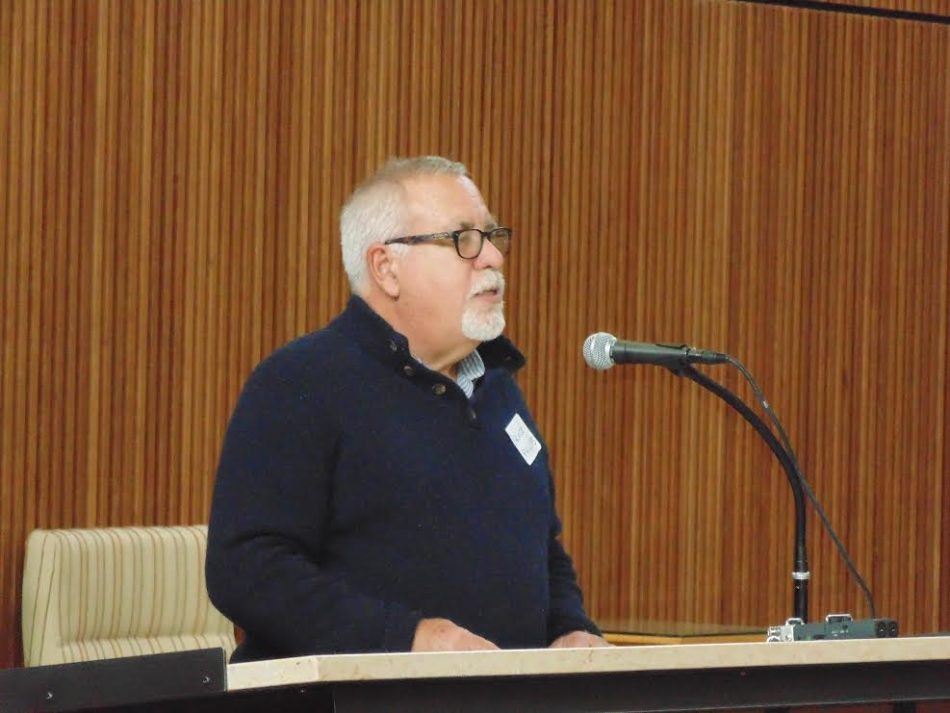
I have meant to share this with you for some time. Working with Dr. Bruce Phillips to prepare a lecture for the Union for Reform Judaism we presented data from our interviews with adults from interfaith families. Our Jewish world – in this case the Reform movement – is woefully lacking in honest assessment and action on behalf of the children we raise in interfaith families.
It is time to give money, focus, and research, to this important part of our population.
18 Take Aways from Adult Children of Interfaith Families
- We are obsessed with interfaith couples, but making no progress. We say we are engaging them but we have no active programs, no development of best practices, no ongoing research to guide us. In fact, we have demolished the interfaith programs in the US.
- If it is OK to be the non-Jew at synagogue why do we look so hard for a noun to use instead of simply non-Jew? Like Macbeth’s wife, we protest too much.
- The adult children from interfaith families may function like the 2nd, 3rd, or 4th child at the Seder. They may ask about what YOU are doing because they don’t yet feel part of Judaism. They may simply ask, what is this? Or they may be silent; afraid to look ignorant.
- Young adults from interfaith families express pride at being Jewish because ethic minorities are ‘in’ now. This symbolic ethnicity does not necessarily move them to do anything. We don’t have programs that invite them in. We don’t even acknowledge that they exist.
- Every movement needs to figure out how they are handling the Union for Reform Judaism’s decision on patrilineal Jews. Unfortunately even the Reform shuls are not preparing them for the rest of the Jewish world.
- There are no nationally known programs in synagogues that can be relied on to serve this population from state to state.
- We treat interfaith with don’t ask, don’t tell, assuring ourselves that they ‘don’t want to be singled out.’
- The adults from interfaith marriage end up grappling with identity questions into their 30s and beyond. Some of our informants described ongoing uncertainty with their Jewish identity. Single-heritage Jews don’t have this ambivalence.
- Grandparents can play a significant role in providing formative experiences. A grandparent’s affirmation of Jewish identity can be powerful for the grandchild.
- Jewish summer camps could do more outreach to interfaith families touting the positive aspect of having an immersive Jewish experience – just like the French language summer camps do.
- We should be holding open conversations about conversion. Conversion needs to come out of the closet and into the living room and synagogue.
- The non-Jewish parent needs the personal support that comes from friendship.
- Affirm Jewish authenticity, nothing is as powerful as one person reaching out and inviting you in. Open your home to interfaith families to participate in Jewish home practice with you. Openly invite Adults from interfaith families into your synagogue. Program for them.
- Welcome conversations about fears, differences and the duality a child, adult or family may be experiencing.
- Jews must communicate and speak across denominations. The entire Jewish community needs to put the children first. (Few people want to join a group that expresses internal discord or judgment of others in the tribe.)
- We need to look at our own mixed messages. If interfaith families are really such a great opportunity why aren’t we taking advantage of that with programs drawing them into our shuls and openly meeting their needs?
- We need to address our internal distress over Christmas. We need to address our children’s views of Christmas.
- We are ambivalent about our own practice or lack thereof but expect our children to be comfortably and clearly Jewish.